Pay by Phone at an Online Casino? What Canadian Players Actually Get
Updated: · MyMobiCasino editors
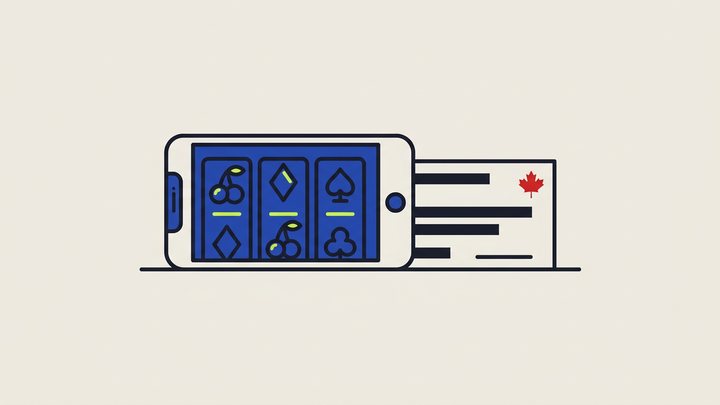
A Canadian player who clicks a “Pay by Phone” button at an online casino expects the deposit to land on next month's mobile bill, the way a premium-rate SMS or an app-store purchase already does. But across Canadian-facing casino sites the phrase describes a deposit-only workaround, not a direct carrier-billed gambling charge. No major Canadian carrier has publicly authorized casino transactions through its billing rail, and the services that make the system hum in other countries — Boku, Payforit, Siru — are not plugged into Rogers, Bell, or Telus for gambling payments. What remains is a collection of look-alike options that rarely deliver the clean phone-bill deposit players imagine.
On this page 6 sections
What Direct Carrier Billing Actually Is
Carrier billing, sometimes called direct carrier billing, turn a mobile number into a payment instrument. Instead of a card or bank account, a purchase is charged to a monthly phone bill or deducted from a prepaid balance. The charge shows up on the statement the carrier already sends. In a casino context, Canadian-facing payment guides describe a flow where a player links a mobile number, confirms the action by SMS, and the deposit lands in the casino account while the amount appears later on the bill or comes off the available prepaid credit.
The mechanic is deposit-only. Pay-by-phone casino deposits do not double as a withdrawal rail, and payment guides for Canadian players say outright that winnings are collected by other methods. This one-directional flow is built into the technology: carrier billing is an instrument for collecting money, not sending it out, a detail many buyers miss until they try to cash out a win.
How the System Works Where It Actually Exists
In countries where carrier billing has been opened to gambling, it is a frictionless way to make small deposits. A player enters a mobile number, receives an SMS confirmation, and the amount — often capped at C$30 or C$50 per day — is added to the monthly phone bill. Services like Boku, Payforit, and Siru Mobile sit between the casino and the carrier, handling authentication and settlement. That is what makes a “pay by phone bill casino” possible.
The catch for Canadians is that those services are not connected to Canadian carriers for casino payments. Boku and Payforit power the phone-bill deposit experience in Europe and the UK, but in Canada the necessary commercial links are absent. The button that says “Pay by Phone” at a Canadian-facing cashier does not trigger a handshake with a Rogers or Bell billing system the way it would in a jurisdiction where the carriers have signed on.
The Canadian Position: What Carriers Will and Will Not Say
The most direct statements say that pay-by-phone is not currently available at online casinos for Canadian players because local mobile operators restrict gambling payments, and that there are no standalone pay-by-phone casinos in Canada today. The same guides acknowledge that casinos work with third-party mobile billing services, but those services route charges through a mobile balance or monthly bill — not through the big three carriers in a way that amounts to carrier-endorsed gambling charging.
Some casino affiliate pages nevertheless claim that Rogers, Bell, and Telus support pay-by-phone payment options. Some list all three carriers as compatible; others say the method works across most provinces, with support varying by carrier. Those statements are site claims, however — none of the carriers have publicly confirmed the arrangement, and no primary-source document from a carrier or a billing provider has emerged to show an active gambling merchant category on the Rogers, Bell, or Telus billing platforms. Until that changes the gap between affiliate copy and the checkout reality is wide.
The Look-Alike Options Hiding Behind the Label
Because true carrier billing is absent, the “pay by phone” label usually means one of three things. Player reviews describe the most common outcome: the button leads to a third-party redirect, an extra fee, or a request for card details. A player who clicks expecting to pay with a phone bill ends up on a site that asks for a credit card number or forces them through a multi-step identity check.
Other times, “pay by phone” is a mislabelr for a mobile wallet such as Apple Pay or Google Pay, which debit a linked card, not the phone bill. Or it may refer to a prepaid voucher system where the player buys credit and enters a code — again, not a post-paid charge on the monthly statement. Each of these flows adds friction and can carry fees that the original carrier-billing pitch never mentions.
Casinos work with third-party mobile billing services that allow deposits to be charged to a mobile balance or added to a monthly phone bill, but those services tend to be separate aggregators, not the carrier's own billing system. In practice, a deposit processed through such a service will appear on the next carrier bill, but the carrier's role is neutral — it is simply passing through a charge from a merchant category it has not banned, rather than actively offering a gambling payment pathway.
Why Winnings Never Come Back to the Phone Bill
The deposit-only nature of the method is not a promotion flaw; it is a structural limitation. Carrier-billing rails are built for collect transactions. Even in jurisdictions where real carrier-billed casino deposits exist, a player cannot withdraw winnings to the same phone number. Pay-by-phone is a deposit-only method: you fund the account by phone, but cash out by bank transfer, Interac or an e-wallet.
This creates a practical asymmetry. A player who deposits C$20 through a “pay by phone” workaround and wins C$200 will need a separate, verified withdrawal method. If that method was not set up before play, the withdrawal can be delayed. In a worst-case, the process can stall for days while the casino requests identity documents, a delay that would rarely occur if the payment flow were a symmetrical interac transfer or card deposit that naturally support two-way movement.
What to Check Before You Rely on the Label
The question of whether Rogers, Bell, or Telus will ever open their billing rails to regulated gambling remains unanswered. For now, a Canadian player who wants to fund a casino account with a phone bill is navigating a market of look-alikes, not a live carrier-billing pathway.
Before relying on a “pay by phone” label, look at the cashier. If the button redirects to a site that demands a card number, it is not carrier billing. If it asks for a mobile number and sends an SMS but later tacks on a service fee, you are probably dealing with a third-party aggregator, not a direct carrier arrangement. Call your carrier and ask whether it permits gambling-related charges. At the time of writing, none had publicly said yes. The affiliate sites may list Rogers, Bell, or Telus as supported, but until the carriers themselves confirm it, treat the claim the same way you would a welcome-bonus promise: clever marketing promising something the regulator has not yet signed off on.
Sources
- The30.ca Trustpilot page: Best Pay by Phone Casinos in Canada 2026
- NorthernJackpotPlay Trustpilot page: Pay by Phone Bill Casino Canada - PaybyPhone bill sites Reviews
Rules, fees and app availability change. Check the current terms with your bank, your phone platform or the operator before you rely on them.
Keep reading
 BankingYour Bank Didn't Say You're Broke. It Saw MCC 7995.A Canadian bank can decline an online casino deposit immediately after you tap confirm, while your chequing account holds four…
 BankingPrepaid Vouchers at a Mobile Casino: The Withdrawal Problem Nobody MentionsA C$50 Flexepin voucher bought with cash at a Canadian corner store lets you fund a mobile casino in seconds using a 16-digit…
 BankingCasino Rejected Your ID Photo? Blame FINTRAC, Not the Upload ButtonIf an online casino in Canada refuses the snapshot of your driver's licence three times in a row, the problem is almost never a…